Unpacking the Ethics Controversy: Alito's Communication with Trump
2025-10-22
26.9K
1.6K
370
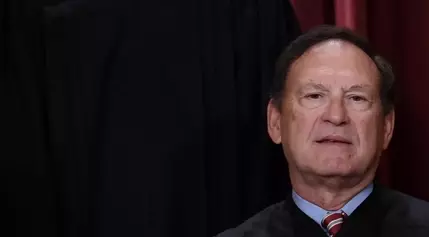
In a surprising turn of events, Supreme Court Justice Samuel Alito revealed that he discussed a job opportunity for one of his former clerks with then-President-elect Donald Trump. This revelation has sparked debate over the propriety of such interactions, especially given the timing and context of ongoing legal proceedings involving Mr. Trump.
Justice Alito Responds to Ethical Concerns Amidst Trump Legal Battles
The Unexpected Conversation
The recent disclosure by Supreme Court Justice Samuel Alito has sent ripples through the legal community. Alito confirmed that he had a conversation with President-elect Donald Trump regarding a potential government position for William Levi, a former law clerk. Levi approached Alito about facilitating a call with Trump to discuss his qualifications for an unspecified role within the administration. This interaction occurred just days before Trump’s legal team filed an emergency application to delay sentencing in a New York case related to alleged hush-money payments. Despite the proximity of these events, Alito emphasized that their discussion did not touch on any pending or future Supreme Court matters. He also clarified that he was unaware of the impending legal motion at the time of the call.
Ethical Implications and Public Reaction
The ethics surrounding this exchange have raised eyebrows among legal experts and watchdog groups. Gabe Roth, executive director of Fix the Court, pointed out that such communications could be seen as a breach of judicial protocol. The principle of impartiality is paramount in maintaining public trust in the judiciary. According to Roth, no individual should engage in private discussions with judges or justices who may be involved in their cases.However, not everyone views this incident as problematic. Carrie Severino, president of the conservative group Judicial Crisis Network (JCN), dismissed the concerns as a "manufactured ethics scandal." She argued that the call was merely a routine reference check and that attempts to portray it as unethical were part of a broader effort to undermine Justice Alito’s integrity.
Broader Context and Historical Precedents
While justices frequently recommend former clerks for prestigious positions, direct communication with a president-elect—especially when that individual has active business before the court—is highly unusual. In the past, similar situations have led to calls for recusal or heightened scrutiny. For instance, Alito faced pressure to step aside from cases involving Trump after reports surfaced linking him to supporters of the January 6 Capitol riot.In this case, the stakes are particularly high. Trump’s legal team is seeking to delay sentencing on 34 felony counts related to falsifying business records. They argue that proceeding with the sentencing could disrupt the presidential transition and violate precedents set by the Supreme Court regarding immunity for former presidents. As the court deliberates on this matter, the optics of Alito’s conversation with Trump add another layer of complexity to the situation.
Impact on Judicial Integrity and Public Perception
The controversy underscores the delicate balance between personal connections and professional responsibilities in the highest echelons of the judiciary. While Alito maintains that the conversation was strictly about Levi’s qualifications, the timing and nature of the call have inevitably fueled speculation. For many observers, the incident raises questions about how the judiciary can maintain its independence and avoid even the appearance of bias.Ultimately, the impact of this event will depend on how the Supreme Court handles the pending legal challenges and whether further scrutiny leads to changes in protocols governing interactions between justices and political figures. As the legal process unfolds, the public will be watching closely to see how these issues are resolved.