Uncovering the Secrets of the Gerber Scientific 6200: A Glimpse into the Bygone Era of Bespoke Computing
In the early days of computing, when technology was still in its infancy, the world of computers was vastly different from what we know today. Instead of off-the-shelf solutions, specialized applications often required custom-built machines, each one tailored to the unique needs of the user. This era gave rise to a plethora of one-off or nearly one-off computers, each with its own fascinating story to tell. One such intriguing device is the Gerber Scientific 6200, which has recently come to light, shedding light on the captivating history of bespoke computing.
Unraveling the Mysteries of a Bygone Era
The Gerber Scientific 6200: A Relic from the Past
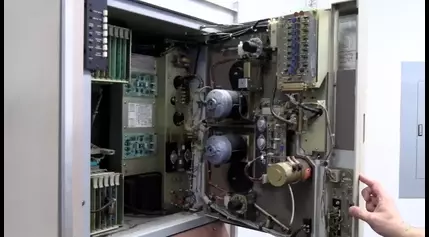
The Gerber Scientific 6200 is a remarkable relic from a bygone era, a testament to the ingenuity and innovation that defined the early days of computing. This unique device, with its 19-inch rack and standard tape drive, was likely one of a limited number produced, catering to the specific needs of its users. The fact that it was powered by a 240V system suggests it was designed for specialized applications, perhaps even for use in a government or military setting.
Uncovering the Backstory: A Glimpse into the Past
The Gerber Scientific 6200's journey is shrouded in mystery, but the clues it holds are intriguing. The serial number suggests that at least 62 of these units were manufactured, and the device's history of residing in the home of someone who worked at the Pentagon adds an air of intrigue. The question of whether the tapes were erased before the device was sold only heightens the sense of curiosity surrounding this unique piece of computing history.
Deciphering the Design: A Closer Look
Examining the Gerber Scientific 6200 reveals a wealth of insights into the design and engineering of the era. The standard tape drive from Kennedy, the power supply, and the handwritten labels on masking tape all point to a custom-built device, likely assembled with a specific purpose in mind. The lack of a CPU onboard raises questions about the device's true nature – was it a standalone computer or merely a tape drive and plotter interface for another system? These mysteries only add to the allure of this captivating relic.
Unlocking the Potential: Exploring the Possibilities
As intriguing as the Gerber Scientific 6200 is, its true potential remains largely untapped. If the device does indeed house a CPU, it could be a fascinating glimpse into the world of bit-sliced computing, a technology that was once at the forefront of innovation. For those with access to 9-track tape machines, the opportunity to uncover the device's secrets and potentially revive its functionality is an enticing prospect.
Preserving the Past: The Importance of Vintage Computing
The Gerber Scientific 6200 is not just a relic of the past; it is a testament to the ingenuity and creativity that defined the early days of computing. By preserving and studying these unique devices, we can gain a deeper understanding of the technological evolution that has shaped the world we live in today. The efforts of enthusiasts like [Vintage Geek] to uncover and document these hidden gems are crucial in ensuring that the stories of the past are not lost to time.In conclusion, the Gerber Scientific 6200 is a captivating and enigmatic device that offers a glimpse into the fascinating world of bespoke computing. As we continue to unravel its mysteries and explore its potential, we are reminded of the rich history and innovation that have paved the way for the technology we enjoy today. The preservation and study of these vintage computing relics are essential in honoring the pioneers who laid the foundations for the digital age.