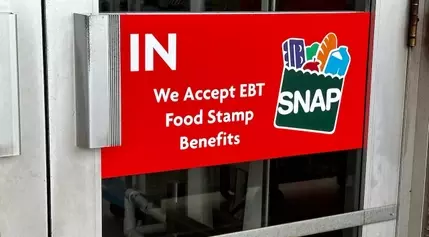
Indictment alleges .3M food stamp ring in Portland-Vancouver: Stolen benefits used to buy baby formula for black market
2025-08-07
Uncovering the Elaborate Fraud Scheme: Millions Stolen from Federal Food Assistance Programs
In a shocking revelation, federal authorities have indicted seventeen individuals in a multi-state conspiracy that involved the theft of over .3 million in federal food stamp benefits. The suspects are accused of using these stolen funds to purchase thousands of pounds of infant formula and other food items, which they then resold for personal profit. This intricate scheme has exposed the vulnerabilities within the nation's food assistance programs, raising concerns about the need for tighter security measures to protect taxpayer-funded resources.
Exposing a Sophisticated Fraud Network Exploiting Federal Aid
Coordinated Raids Uncover the Scope of the Conspiracy
Federal agents executed a series of coordinated search warrants across various homes and public storage units in the Portland and Vancouver areas, leading to the arrest of the seventeen individuals involved in the scheme. The suspects were subsequently brought before a federal court in Portland, where they faced initial appearances to answer for their alleged crimes.
Tracing the Flow of Stolen Funds and Diverted Goods
Investigators have meticulously pieced together the intricate web of the conspiracy, tracing the movement of the stolen federal food stamp benefits and the subsequent resale of the purchased goods. The suspects are accused of exploiting the system by using the diverted funds to acquire thousands of pounds of infant formula and other food items, which they then sold for personal financial gain.
Uncovering the Breadth of the Fraud Network
The multi-state nature of the conspiracy highlights the sophisticated and organized nature of the fraud scheme. By operating across state lines, the suspects were able to expand the reach of their illicit activities, making it more challenging for authorities to detect and dismantle the network. The indictment serves as a stark reminder of the need for enhanced coordination and information-sharing among law enforcement agencies to combat such complex financial crimes.
Addressing the Vulnerabilities in Federal Food Assistance Programs
The revelation of this fraud scheme has raised concerns about the security measures in place to protect federal food assistance programs, such as the Supplemental Nutrition Assistance Program (SNAP). Policymakers and program administrators must now examine the weaknesses that allowed this large-scale theft to occur and implement robust safeguards to prevent similar incidents in the future. Ensuring the integrity of these vital social safety nets is crucial to maintaining public trust and ensuring that the intended beneficiaries receive the support they need.
The Importance of Vigilance and Collaboration in Combating Fraud
The successful investigation and prosecution of this multi-state conspiracy underscores the importance of vigilance and collaboration among law enforcement agencies, government entities, and the public in combating fraud. By working together to identify suspicious activities, share intelligence, and swiftly respond to emerging threats, authorities can better protect taxpayer-funded resources and ensure that federal assistance programs serve their intended purpose of supporting those in need.
The Lasting Impact on Vulnerable Communities
The diversion of millions of dollars in federal food assistance funds has far-reaching consequences, particularly for the vulnerable communities that rely on these programs to meet their basic nutritional needs. The loss of these critical resources can exacerbate food insecurity, undermine efforts to address childhood hunger, and erode public confidence in the government's ability to effectively administer and safeguard social welfare initiatives. Addressing the impact of this fraud scheme and restoring the integrity of federal food assistance programs is a pressing challenge that requires a comprehensive and collaborative approach.