Alaska's Agricultural Future: A New Department and Farmer Advocacy
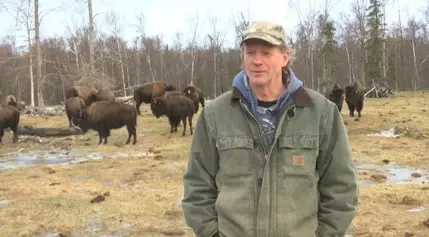
The state of Alaska is set to undergo a significant transformation in its agricultural sector with Governor Mike Dunleavy’s proposal to establish the Alaska Department of Agriculture. This initiative aims to bolster the state's food security and support local farmers and ranchers. The governor highlights the vulnerabilities exposed by the COVID-19 pandemic, emphasizing the need for a robust agricultural framework. Adam Boyd, a third-generation farmer from Palmer, shares his insights on the challenges faced by Alaskan producers and the potential benefits of this new department. Despite concerns about government expansion and costs, the upcoming legislative session will determine the future of this proposed department.
The Path to Enhanced Food Security
Addressing the critical issue of food dependency, Governor Dunleavy plans to introduce an executive order that would elevate the current Division of Agriculture to a full-fledged department. This move seeks to mitigate the risks associated with supply chain disruptions, which have become increasingly evident during global crises. By establishing a dedicated department, the state aims to provide specialized assistance to farmers and ranchers, thereby enhancing local food production and reducing reliance on imports.
Alaska's unique geographical and climatic conditions pose significant challenges for agriculture. With 95% of its food products imported at an annual cost of nearly billion, the state faces substantial economic and logistical hurdles. The creation of the Department of Agriculture would focus on supporting both new and established producers, offering expert guidance and implementing programs to improve food security. This initiative aligns with previous efforts, such as the establishment of the Office of Food Security in 2022, underscoring the governor's commitment to this vital sector.
Perspective from the Farming Community
Adam Boyd, a seasoned farmer and owner of Boyd Bison Ranch, offers valuable insights into the realities of farming in Alaska. His experience highlights the financial and regulatory challenges that deter many from pursuing agriculture in the state. Boyd emphasizes the importance of having a voice within the government structure to advocate for the needs of producers. While he acknowledges the potential benefits of a new department, he also stresses the necessity for increased investment and policy reforms to foster meaningful change.
Boyd’s transition from cattle and potatoes to bison illustrates the economic pressures faced by Alaskan farmers. Higher production costs, stringent regulations, and limited market access make it difficult to compete with producers from the lower 48 states and international markets. He believes that without substantial funding and support, the creation of a new department alone may not be sufficient to address these issues. Boyd advocates for a comprehensive approach that includes financial incentives, infrastructure improvements, and policy adjustments to create a more sustainable agricultural environment in Alaska. Ultimately, the success of this initiative will depend on the willingness of policymakers to invest in and expand the agricultural sector, ensuring a brighter future for local producers and consumers alike.